When we talk about better classroom design, we’re really talking about setting students up for success. A thoughtful layout can boost focus, support collaboration, and make day-to-day teaching smoother. In the video below, designer Cindy Timani shares how arranging the space—starting with configurable seating, smart storage, and furniture that adapts—creates a learning environment that truly works for students and teachers. This article distills those ideas for teachers, principals, and interior designers looking to build classrooms that are flexible, organized, and future-ready.
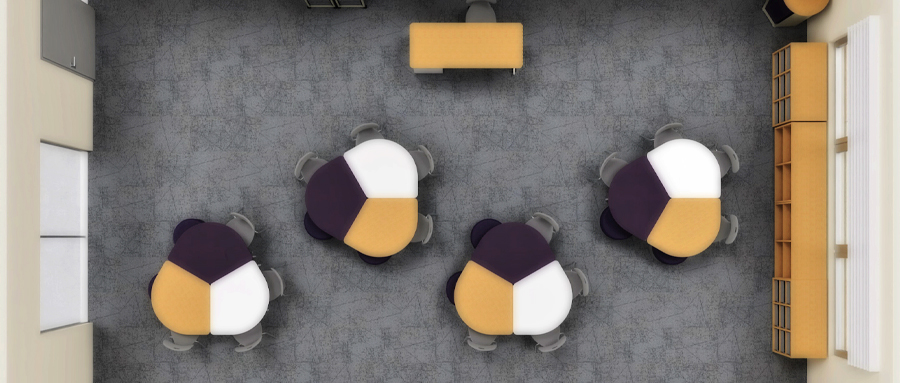
An effective classroom begins with how you arrange the space. Configurable seating lets you transition quickly between independent work, small-group collaboration, and whole-class moments. Instead of fixed rows, use modular desks and soft seating that can be rearranged in minutes. When students can choose where and how they learn—huddle, perch, lounge, or sit at a traditional desk—they’re more likely to engage and stay on task.
Consider incorporating a variety of seating types to support different learning modes and bodies: lightweight classroom chairs, stools for quick stand-sit transitions, soft lounge pieces for reading, and mobile tables for group tasks. The goal is a student-centered layout that remains orderly while empowering choice. When seating is flexible, teachers can shift from lecture to collaboration without losing momentum.
A tidy environment reduces distraction and saves time. When materials have a clear “home,” students can find what they need and return it independently. Adaptable storage—like cubby units and mobile cabinetry—keeps supplies organized without locking you into a permanent floor plan. This is where solutions like MityBilt Cubbies shine: bins and trays keep materials sorted, while casters let you reposition units as needs change.
Think of storage as both organization and architecture. Low-profile units can double as space dividers or extra work surfaces. Rolling carts bring supplies to the point of use, then park neatly out of the way. Labeling bins by subject, group, or activity helps students self-manage, reinforcing routines and keeping surfaces clear.
Soft seating isn’t just for lounges—it encourages reading stamina, reflection, and relaxed collaboration. Lightweight ottomans, wedges, and modular lounge pieces can cluster for group brainstorming or scatter to form quiet retreats. Because these elements move easily, teachers can evolve layouts throughout the day without heavy lifting.
Look for soft seating with classroom-ready durability and wipe-clean surfaces. Pair lounge pieces with nearby mobile worksurfaces or whiteboards so students can capture ideas on the spot. When comfort and access to tools go hand in hand, participation rises and transitions feel natural.
Students grow, curricula shift, and technology changes—your space should keep up. An evolving classroom is built on components that adjust, stack, nest, and roll. Height-adjustable tables support a wider range of ages and activities. Flip-top or nesting tables clear floor space for performance, STEM builds, or circle time. Mobile markerboards define pop-up zones and make thinking visible anywhere in the room.
Plan for periodic refreshes. Revisit your layout after the first few weeks of school and at mid-year: What’s working? Where are bottlenecks? Small changes—rotating a zone, swapping a table set for soft seating, adding a rolling cart near a busy station—can deliver outsized gains in flow and focus.
MityBilt’s education-first portfolio is designed for flexibility, durability, and daily classroom realities. Consider:
These pieces are purpose-built for schools—easy to clean, engineered for longevity, and thoughtfully scaled for learners and educators.
Better classroom design is not about trends; it’s about intentional choices that help students do their best work. Start with configurable seating to enable both collaboration and quiet focus. Keep materials organized with adaptable storage so transitions are smooth and surfaces stay clear. Invest in soft seating and mobile tools that make the room feel welcoming and easy to re-shape. Finally, commit to periodic reconfiguration so the space evolves alongside your learners.
If your classroom isn’t evolving, it may be time for a design rethink. With flexible, durable solutions from MityBilt—like modular seating, mobile tables, soft seating, and Cubbies—you can create a learning environment that meets today’s needs and tomorrow’s possibilities.
PO BOX 1158
20 Limestone Bay
Stonewall, MB
R0C 2Z0
T 204.467.5790
E solutions@mitybilt.com
Follow us on:


Sign up for our newsletter