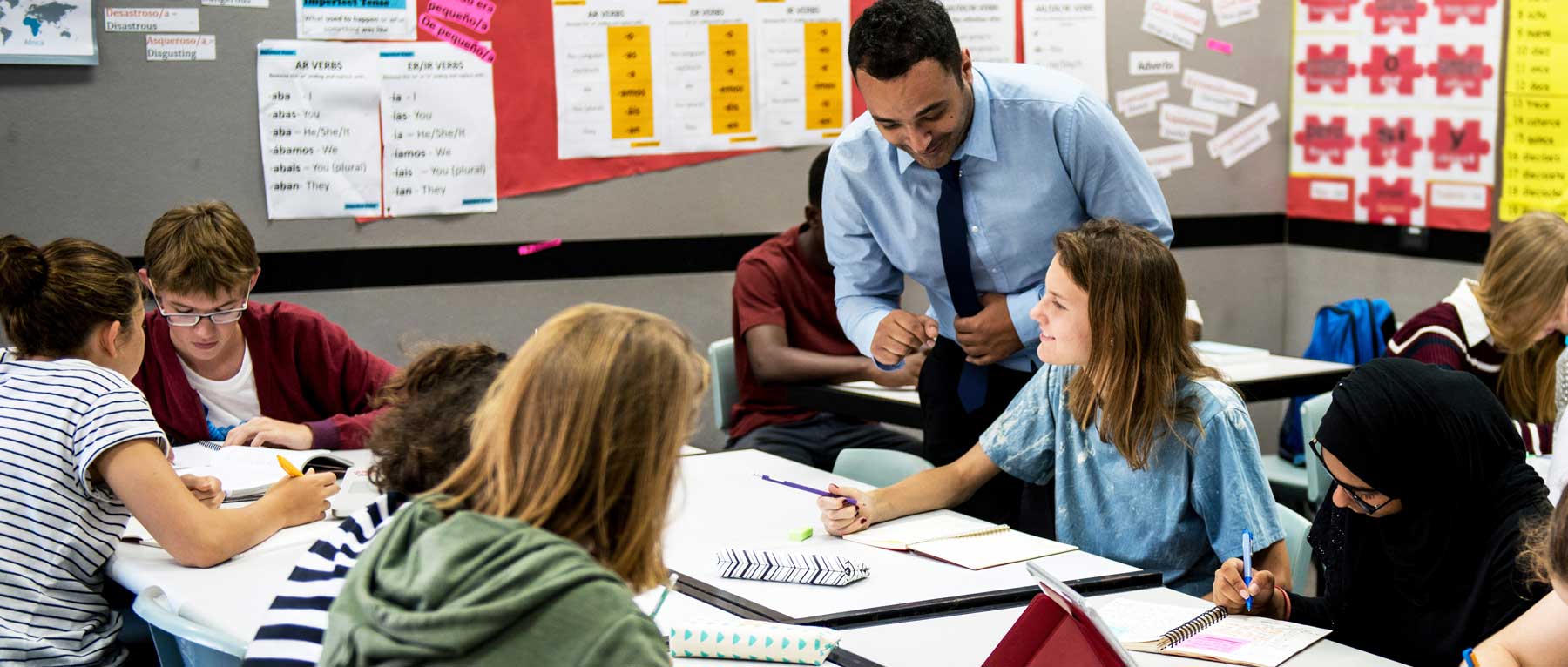
In every classroom, the moments between learning activities — moving from whole-group instruction to centers, shifting tables for group projects, or changing subject focus — are some of the most chaotic. These “transition moments” may only last a few minutes, but they can significantly impact student engagement and behavior.
While teacher routines matter, the physical classroom design plays a huge role in how smoothly transitions unfold. Below are practical, design-forward strategies to help students move, reset, and refocus with less disruption.
Transitions happen repeatedly throughout the day — from gathering materials to packing up, from partner work to quiet reading. When classrooms aren’t designed for these flows, schools often see:
A classroom that anticipates movement supports both behavior and learning outcomes.
Create designated areas for common activities so students know where to go and what “mode” they’re in. Common zones include:
Predictable spaces reduce uncertainty, which helps transitions become smoother and more consistent.
Mobility matters. When furniture supports movement instead of resisting it, students transition faster with fewer bottlenecks. Look for:
Clear visual cues help students “see” the next step before instructions are repeated. Consider using:
Easy-access storage reduces time spent hunting for tools and helps prevent crowding around a single cabinet or shelf. Practical improvements include:
When learning spaces support fluid movement, transitions stop being interruptions and become part of the instructional rhythm. Schools often see:
If you’re documenting improvements (or planning a refresh), consider adding:
Transitions are the invisible curriculum of classroom life — and design can make them calmer, faster, and more productive. With intentional space planning and flexible furniture choices, schools can protect instructional time and support better behavior without adding complexity.
PO BOX 1158
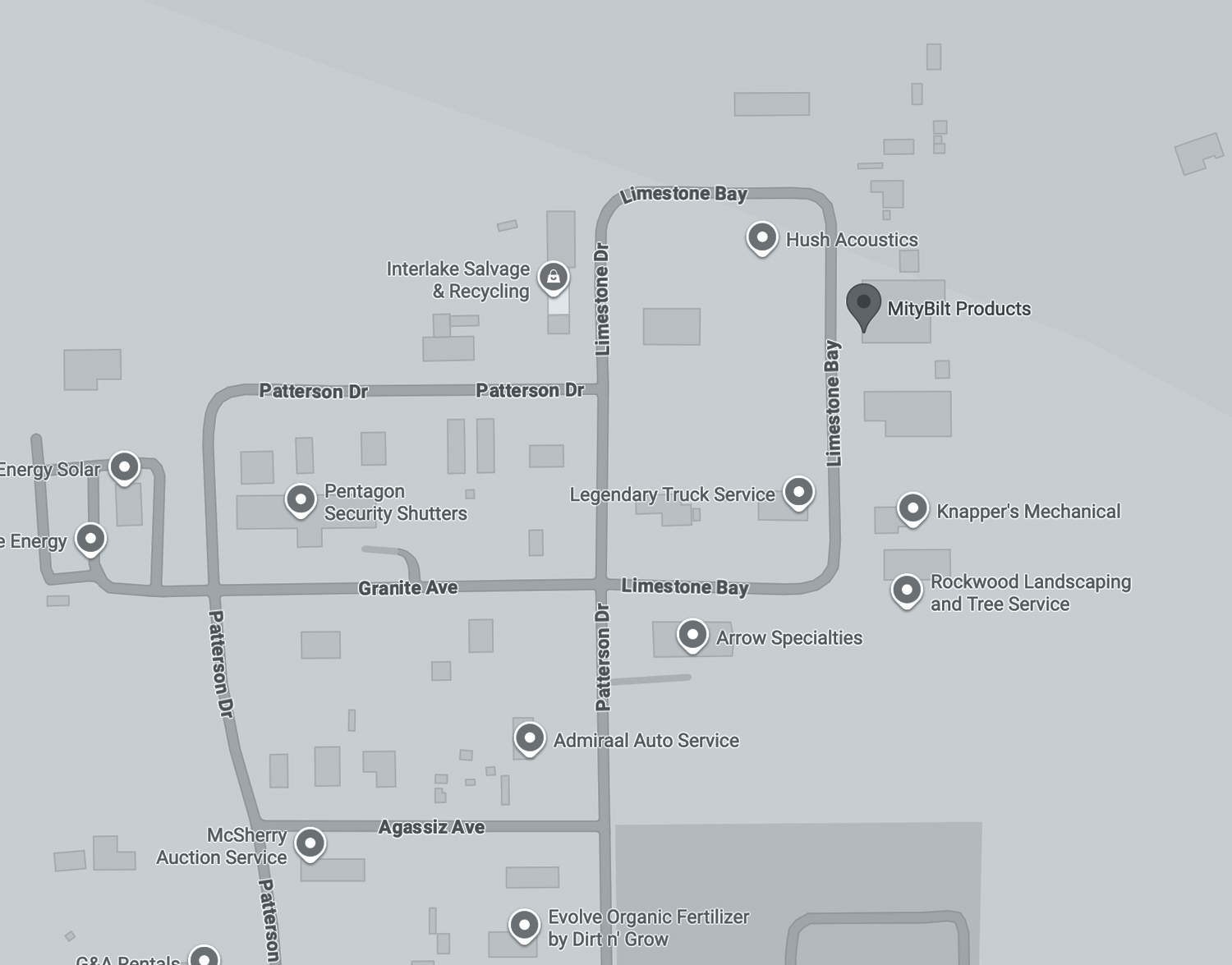
20 Limestone Bay
Stonewall, MB
R0C 2Z0
T 204.467.5790
E solutions@mitybilt.com
Follow us on:


Sign up for our newsletter